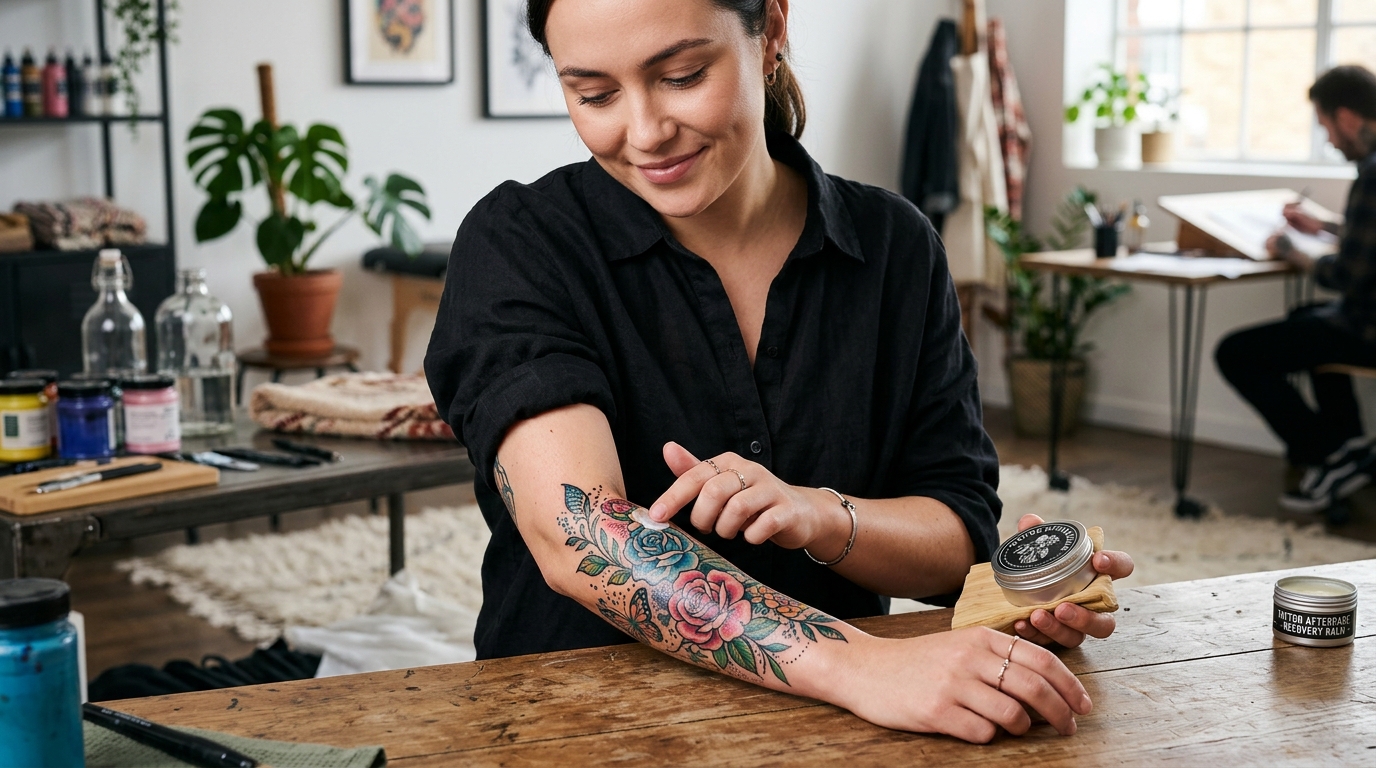
Tattoo Aftercare 101: How to Keep Your New Ink Looking Vibrant
So, you’ve finally done it. You sat in the chair, braved the needle, and walked out of the studio with a stunning piece of art freshly etched into your skin. There’s nothing quite like the thrill of looking at your new ink in the mirror for the first time. But before you run off to show it to the world, let’s pause for a second. The hard part for your tattoo artist is over, but your job has just begun. Think of your new tattoo as a fresh, raw wound that’s also a masterpiece. How you care for it over the next few weeks will decide whether it stays sharp, bright, and breathtaking, or turns into a blurry, faded smudge. Let’s dive into the ultimate guide to tattoo aftercare and make sure your investment looks incredible for decades to come.
—
The Golden Hour: The First 24 Hours of Your Tattoo
The first day of your tattoo’s life is critical. It’s vulnerable, tender, and highly susceptible to bacteria. When you walk out of the shop, your tattoo is essentially an open window to infection, and your artist has sealed that window shut with a protective barrier. What you do next can set the tone for the entire healing process.
To Wrap or Not to Wrap: The Bandage Dilemma
Your tattoo artist didn’t wrap your new ink just to keep your clothes clean; they did it to protect your skin from airborne bacteria, dirt, and friction. This initial wrap is your tattoo’s personal bodyguard. Leaving it on for the recommended time is non-negotiable.
If your artist used traditional plastic wrap, you’ll want to keep it on for at least two to four hours. If they used a modern medical-grade adhesive bandage, the rules change entirely. Whatever you do, do not rip the bandage off early just because you want to take a photo for your social feed. Patience is your best friend right now.
Saniderm vs. Traditional Cling Film
The battle of the bandages has a clear frontrunner these days. Traditional plastic wrap is a short-term shield. It traps moisture, sweat, and blood, creating a warm environment that bacteria love if left on too long. It’s great for getting you home safely, but it needs to come off relatively quickly.
On the flip side, medical-grade adhesive sheets like Saniderm, Tegaderm, or SecondSkin have revolutionized tattoo aftercare. These breathable, waterproof films act like a second skin. They keep contaminants out while letting oxygen in, which is vital for cellular repair. Depending on your artist's instructions, you can often leave a second-skin bandage on for anywhere from 24 hours to five days. It keeps the healing fluids contained, which might look a bit gooey, but trust the process—that liquid gold is full of proteins that help your skin heal faster.
The First Wash: Gentle is the Name of the Game
When it’s finally time to remove the bandage, treat your tattoo like a priceless, fragile artifact. First, wash your hands thoroughly with antibacterial soap. You don’t want to transfer dirt from your fingers straight onto your raw skin.
Peel the bandage off slowly. If you’re using an adhesive film, doing this under warm, running water in the shower can help loosen the adhesive without pulling at your skin.
Once the bandage is off, you’ll notice a slimy mix of blood, plasma, and excess ink. Don't panic! This is completely normal. Use your bare hands—never a washcloth or sponge, which are far too abrasive and can harbor bacteria—to gently wash the area. Use lukewarm water and a mild, fragrance-free liquid soap. Rub in gentle, circular motions until the slimy layer is completely gone, then rinse thoroughly.
—
The Healing Timeline: What to Expect in the First Month
Healing a tattoo isn't a sprint; it's a marathon. Your skin goes through several distinct phases of regeneration, and knowing what’s normal can save you from late-night panic searches.
Days 1 to 3: The Weeping Phase
During the first few days, your tattoo is going to "weep." It will ooze plasma, blood, and ink. Your body is trying to push out foreign objects and close up the wound. The area will feel warm to the touch, tender, and look slightly swollen or red, similar to a moderate sunburn.
Keep up with washing it two to three times a day. After washing, gently pat it dry with a clean, single-use paper towel. Avoid regular bath towels, as they can trap bacteria and leave tiny fibers stuck to your healing skin.
Days 4 to 14: The Dreaded Itch and Flake
Welcome to the test of physical and mental endurance. Around day four or five, the top layer of skin will begin to dry out. It will start to flake, peel, and look incredibly ugly. Your vibrant masterpiece will suddenly resemble a snake shedding its skin.
With peeling comes the itch. Oh, the itch! It can be intense enough to drive you up the wall. This is a sign that your skin is successfully repairing itself, but you must resist the urge to scratch at all costs.
Days 15 to 30: The Dull Look and Final Deep Heal
By week three, the peeling should subside, but you might notice your tattoo looks a bit cloudy, dull, or even slightly grey. Don't freak out—your ink hasn't faded overnight.
Your skin has formed a new, delicate layer of protective tissue over the ink, often called "silver skin." Over the next couple of weeks, this layer will naturally exfoliate and settle, revealing the sharp, bright colors beneath. While the surface looks healed, the deeper layers of skin are still knitting back together, so keep up your gentle care routine.
—
The Golden Rules of Tattoo Washing and Moisturizing
Proper hydration is the secret sauce of tattoo longevity. Too dry, and your skin will crack and scab, pulling ink out. Too wet, and you’ll clog your pores and invite infection. Striking the perfect balance is key.
Choosing the Right Soap: Ditch the Fragrance
When shopping for soap, keep it incredibly simple. You want a mild, liquid, fragrance-free, and alcohol-free antibacterial soap. Fragrances and artificial dyes are packed with harsh chemicals that will sting like crazy and irritate your open skin. Look for classic, reliable options like Dial Gold (unscented) or gentle facial cleansers like Cetaphil or CeraVe.
Lotion vs. Ointment: Timing is Everything
For the first two to three days, your tattoo needs a heavy-duty barrier to lock in moisture and protect it while it’s still weeping. This is when ointments like Aquaphor or specialized tattoo salves shine.
However, once the tattoo starts to peel and flake (usually around day four), heavy ointments become too suffocating. Switch to a lightweight, fragrance-free daily lotion. Brands like Lubriderm, Aveeno, or specialized tattoo lotions are perfect. They hydrate the skin without trapping heat or blocking airflow.
How Much is Too Much? Avoiding Over-Moisturization
When applying ointment or lotion, less is always more. You aren't icing a cake; you're applying a micro-layer.
Apply a tiny, pea-sized amount and work it gently into the skin until it’s completely absorbed. If your tattoo looks shiny, greasy, or wet after applying moisturizer, you’ve used too much. Gently blot away the excess with a clean paper towel. Over-moisturizing can cause "bubble scabs," which trap moisture and bacteria, potentially ruining your tattoo's fine lines.
—
What NOT to Do: The Ultimate Tattoo Sins
Sometimes, knowing what to avoid is even more important than knowing what to do. Let’s look at the absolute dealbreakers of tattoo aftercare.
No Picking, No Scratching!
If you take only one piece of advice from this guide, let it be this: do not pick, scratch, or peel your tattoo.
As your skin heals, it will form scabs and flakes. These scabs are holding the ink pigment in place underneath the surface. If you pull a scab off before it’s ready to fall off naturally, you will literally pull the ink right out of your skin, leaving behind patchy, faded spots or permanent scarring. When the itch gets unbearable, try gently patting the area with clean hands, or apply a tiny bit of lotion to soothe the irritation.
Keep Out of the Water: Pools, Oceans, and Hot Tubs
While quick, daily showers are absolutely necessary, soaking your fresh tattoo is a recipe for disaster.
Stay out of bathtubs, swimming pools, lakes, oceans, and hot tubs for at least three to four weeks. Standing water is a breeding ground for nasty bacteria. Furthermore, soaking a fresh tattoo softens the scabs and skin, which can cause the ink to leach out and blur. Keep your showers brief, and don't let the water spray directly onto your healing ink for extended periods.
The Sun is Your Tattoo’s Worst Enemy
Ultraviolet (UV) radiation is the ultimate tattoo killer. It breaks down the pigment particles in your skin, causing them to fade, blur, and spread over time.
Keep your healing tattoo completely out of direct sunlight. Do not apply sunscreen to a fresh, peeling tattoo—the chemicals can irritate the raw skin. Instead, wear loose, breathable clothing that covers the area when you go outside. Once your tattoo is fully healed (usually after 4 to 6 weeks), applying a high-SPF sunscreen every single time you step outside is mandatory if you want your colors to stay vibrant.
—
Long-Term Care: Keeping That Ink Vibrant for Years
Once your tattoo is fully healed, your daily maintenance drops significantly, but you shouldn't abandon it entirely. Think of long-term tattoo care like maintaining a classic car—a little routine upkeep goes a long way.
Sunscreen: Your New Best Friend
If you want your black ink to stay dark and your color work to pop, buy a high-quality, broad-spectrum sunscreen with at least SPF 30 (or higher). Make applying it a seamless part of your morning routine. Whether you're hitting the beach or just walking to your car, shield your art from those destructive UV rays.
Hydration from the Inside Out
Healthy, hydrated skin naturally looks brighter and more radiant. By drinking plenty of water and applying a standard body moisturizer daily, you keep the skin plump and clear. This transparency allows the underlying tattoo pigments to shine through beautifully, keeping your lines sharp and your colors incredibly vivid.
—
When to Call a Professional
While some redness, swelling, and itching are perfectly normal parts of the healing process, you should always listen to your body. Infections are rare if you follow proper aftercare, but they can happen.
Keep an eye out for warning signs:
- Redness that spreads outward from the tattoo over time rather than fading.
- Severe, throbbing pain that gets worse after the third day.
- Yellow or green pus oozing from the area.
- A foul odor coming from the wound.
- A fever, chills, or body aches.
If you experience any of these symptoms, don't wait for it to clear up on its own. Skip the tattoo artist and consult a doctor immediately. It’s always better to be safe than sorry when it comes to your health and your skin.
—
Conclusion
Getting a tattoo is an exciting journey, but the final result relies heavily on how you treat your skin during the healing process. By keeping it clean, gently moisturized, protected from the elements, and untouched by scratching fingers, you ensure that your body art remains a vibrant, beautiful masterpiece for a lifetime. Treat your new ink with the respect it deserves, and it will reward you by looking stunning for years to come.
—
Frequently Asked Questions
Q: Can I go to the gym or work out after getting a new tattoo? A: It’s best to take a break from intense workouts for at least the first few days. Heavy sweating can irritate the fresh wound, and gym equipment is covered in bacteria. If your tattoo is in an area that stretches or flexes during exercise, working out can also pull at the healing skin and disrupt the ink.
Q: Why does my tattoo look dull or cloudy during the second week? A: Don't worry! This is a completely normal phase called "silver skin." A new, thin layer of dead skin cells has formed over the healing ink, making it look slightly hazy. Once this layer naturally exfoliates over the next couple of weeks, your tattoo's true colors and sharpness will return.
Q: Is it safe to use Vaseline or petroleum jelly on a new tattoo? A: No, you should avoid using 100% petroleum products like Vaseline. They are too thick and heavy, creating an airtight seal over your tattoo. This traps moisture and heat, prevents your skin from breathing, and can lead to clogged pores, infections, and faded ink. Stick to lightweight, breathable lotions or recommended tattoo ointments.
Q: What should I do if my tattoo starts to scab heavily? A: If your tattoo develops thick scabs, do not panic and, above all, do not pick them. Let them fall off naturally. Keep washing the area gently and apply a very thin layer of fragrance-free lotion to keep them from cracking, which can cause pain and pull pigment out.
Q: How long does it take for a tattoo to heal completely? A: While the outer surface of your skin will usually look and feel healed within two to four weeks, the deeper layers of skin take much longer to fully repair. It can take up to three to six months for the tissue beneath the surface to completely heal and settle.
Post Comment