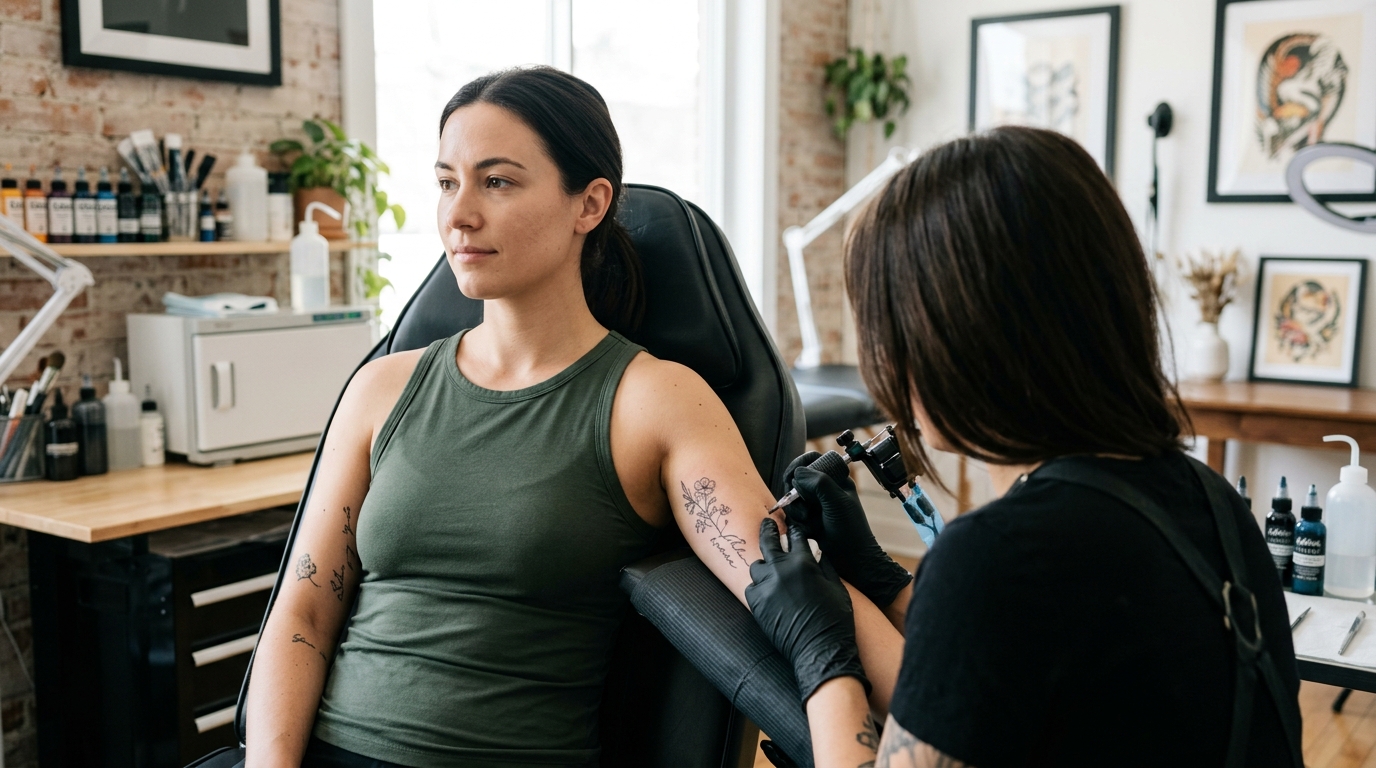
The Ultimate Tattoo Pain Scale: Where It Hurts Most and How to Manage It
Think about your first tattoo. Or maybe your tenth. There is always that split second of hesitation right before the needle touches your skin when your brain screams, "How bad is this actually going to hurt?" Let's be real: getting a tattoo is an incredible form of self-expression, but it is also a physical battle. You are willingly letting an artist puncture your skin with tiny needles between 50 and 3,000 times per minute.
But here is the catch—pain is highly subjective. What feels like a minor nuisance to your best friend might feel like an absolute nightmare to you. Because our bodies are complex maps of nerve endings, bone, and muscle, the pain varies wildly depending on where you place your ink. If you are planning your next piece and want to know what you are signing up for, this is your ultimate, no-nonsense guide to the tattoo pain scale, the science behind the sting, and the best ways to breeze through your next session.
—
Why Do Tattoos Hurt Anyway? The Science of the Needle
To conquer the pain, you first need to understand what is actually happening to your body when you sit in that chair. It is not just about "needles poking you." It is a highly coordinated biological response.
The Epidermis vs. Dermis Battleground
Your skin has three primary layers: the epidermis (the outer layer), the dermis (the middle layer), and the hypodermis (the deep fat and connective tissue layer). When you scrape your knee, you are damaging the epidermis. This layer sheds constantly, which is why a tattoo placed there would wash away in a few weeks.
To make a tattoo permanent, the needle must bypass the epidermis and deposit ink directly into the dermis. The dermis is a bustling metropolis of blood vessels, collagen, and, most importantly, sensory nerves. When the tattoo needle punctures this layer, it triggers your body's pain receptors, sending immediate distress signals to your brain. You are essentially creating thousands of microscopic, controlled wounds.
Nerve Density: Your Body’s Alarm System
Why does a tattoo on your forearm feel like a dull scratch, while a tattoo on your ribs makes you want to see God? It all comes down to nerve density and receptor distribution.
Your body uses specialized nerve endings called nociceptors to detect potential damage. Areas like your fingertips, face, ribs, and groin are packed with these receptors because they are vital for survival and environmental awareness. Other areas, like your outer thighs or upper arms, have far fewer nociceptors and a thicker layer of protective fat. When a needle hits a high-density nerve zone, your brain receives a loud, chaotic siren instead of a quiet whisper.
—
The Ultimate Tattoo Pain Scale: From "Tickles" to "Tears"
Every body is different, but humanity has collectively agreed on a general hierarchy of tattoo pain. Let’s break down the body map from the easiest walks in the park to the absolute soul-testing zones.
Level 1: The "Is That It?" Zone (Least Painful)
If you are a tattoo virgin or have a notoriously low pain tolerance, these are your safe havens. Getting inked here usually feels like a vibrating scratch or a dull hum.
Outer Shoulder and Bicep
The outer shoulder and bicep are the undisputed champions of low-pain tattooing. This area is blessed with thick skin, solid muscle padding, and relatively few nerve endings. It is the perfect place to test the waters and get a feel for the sensation of the needle without risking a panic attack.
Forearm and Calves
Forearms (especially the outer forearm) and calves are incredibly easy to handle. The skin is tough, and there is plenty of muscle and fat to absorb the vibrations of the machine. Many people find they can easily read a book, scroll through social media, or carry on a casual conversation while getting these areas inked.
—
Level 2: The "Spicy but Manageable" Zone (Moderate Pain)
This is where things start to get interesting. It is not unbearable, but you definitely cannot ignore what is happening. It feels like a persistent cat scratch on a sunburn.
Thighs and Collarbone
The outer and front thighs are generally very manageable because of the heavy muscle mass. However, as you drift toward the inner thigh, the pain spikes dramatically due to thinner skin and more sensitive nerves.
The collarbone is a unique beast. It does not have a lot of flesh, so the pain itself isn’t necessarily sharp, but the vibration is intense. Getting your collarbone tattooed feels like your entire skeletal system is rattling, which can be psychologically jarring.
The Upper Back
The upper back is a classic canvas for large pieces. While it is generally a moderate-pain zone due to thicker skin, it can get spicy as the needle moves closer to the shoulder blades or the base of the neck. It is a slow burn that builds over hours, but it is highly manageable for most.
—
Level 3: The "Deep Breaths" Zone (High Pain)
Now we are entering the territory of serious mental grit. You will need to focus on your breathing, and you will definitely count down the minutes until your artist takes a break.
The Ribs and Stomach
The ribs are legendary in the tattoo community, and not for good reason. The skin over your ribcage is incredibly thin, and there is virtually no fat or muscle to cushion the blow. The needle presses directly against the bone, causing a sharp, burning sensation that can make it feel difficult to take a full breath.
The stomach, on the other hand, is soft, but that is exactly why it hurts. Without a solid bone backing, the needle has to sink into soft tissue, which can trigger a visceral, nauseating sensation that tests your core strength.
The Knees and Elbows
Think about how much it hurts when you bang your funny bone or scrape your knee. Now imagine someone tattooing it. The skin over the elbow and knee joints is extremely thin and sits directly on top of bone and fluid-filled sacs. The vibration here is intense, and the healing process is notoriously difficult because these joints are constantly moving.
—
Level 4: The "Soul-Leaving-The-Body" Zone (Extreme Pain)
These areas are reserved for the brave, the seasoned collectors, or those with an incredibly high pain threshold. This is white-knuckle, sweat-inducing pain.
The Armpit and Groin
The armpit is widely considered one of the absolute worst places to get tattooed. It contains the axillary nerve and is packed with sensitive lymph nodes. It is incredibly tender, and the pain is a sharp, burning agony. The groin is similarly brutal, featuring ultra-thin skin and an immense concentration of nerve endings designed for… well, not needles.
The Sternum and Spine
The sternum (the center of your chest) is a hotbed of pain. It is pure bone covered by paper-thin skin. The sensation of the needle on the sternum feels like it is vibrating your lungs and heart.
The spine is equally punishing. Because it houses your central nervous system, tattooing directly over the vertebrae sends electric, shooting pain radiating across your entire back.
The Head, Face, and Feet
The head and face have virtually no fat cushion, and the psychological impact of hearing the loud buzz of the tattoo machine directly against your skull can amplify the pain.
Your feet are a chaotic mess of tiny bones, tendons, and highly sensitive nerve endings. There is no "easy" spot on the foot; whether it is the ankle, the arch, or the toes, it is going to sting like crazy.
—
“ +-------------------------------------------------------------------------+ | THE TATTOO PAIN MAP | +-------------------------------------------------------------------------+ | LEVEL 1: "IS THAT IT?" (Low Pain) | | - Outer Shoulder, Bicep, Outer Forearm, Calves | +-------------------------------------------------------------------------+ | LEVEL 2: "SPICY BUT MANAGEABLE" (Moderate Pain) | | - Outer Thigh, Upper Back, Collarbone (vibration-heavy) | +-------------------------------------------------------------------------+ | LEVEL 3: "DEEP BREATHS" (High Pain) | | - Ribs, Stomach, Elbows, Knees | +-------------------------------------------------------------------------+ | LEVEL 4: "SOUL-LEAVING-THE-BODY" (Extreme Pain) | | - Armpits, Groin, Sternum, Spine, Feet, Head/Face | +-------------------------------------------------------------------------+ “
—
Biological Factors: Why Your Pain is Unique
We have mapped out the physical geography of pain, but your personal biology plays a massive role in how you perceive that needle. No two nervous systems are wired exactly the same.
Biological Sex and Hormones
Studies suggest that biological sex and hormonal fluctuations can significantly influence pain thresholds. For instance, individuals who menstruate may find they are far more sensitive to pain during the week before or during their period due to drops in estrogen levels. If you are planning a large, painful piece, timing it around your cycle can actually make a noticeable difference in your comfort levels.
Mental State and Sleep Quality
Your brain is the ultimate gatekeeper of pain. If you walk into the studio stressed, anxious, or running on three hours of sleep, your central nervous system will already be on high alert. This state of hypervigilance amplifies every sting of the needle.
Conversely, being well-rested and mentally prepared allows your brain to release natural endorphins more effectively, helping to dull the pain naturally.
—
How to Manage Tattoo Pain Like a Pro
You don’t have to just sit there and take the pain without a fight. Managing tattoo pain is all about preparation, technique, and communication. Here is your ultimate battle plan.
Before Your Session: Setting Up for Success
- Hydrate Like It’s Your Job: Start drinking plenty of water 24 to 48 hours before your appointment. Well-hydrated skin is more resilient, accepts ink more easily, and heals faster.
- Eat a Massive Meal: Do not go to your appointment on an empty stomach. Your blood sugar will crash during a long session, which can lead to dizziness, nausea, and an inability to cope with pain. Eat a carb-heavy, protein-rich meal about two hours before you sit in the chair.
- Avoid Alcohol and Excess Caffeine: It might be tempting to have a drink to calm your nerves, but alcohol thins your blood. This leads to excess bleeding, which pushes the ink out and makes it harder for your artist to work. Caffeine can also make you jittery and anxious, lowering your pain tolerance.
During the Session: Mind Over Matter
- Master Your Breathing: When we hurt, we tend to hold our breath. This tenses your muscles and makes the pain worse. Practice deep, rhythmic belly breathing (inhaling for four seconds, holding for four, and exhaling for four). This activates your parasympathetic nervous system, lowering your heart rate and calming your mind.
- Bring Distractions: Load up your phone with a gripping podcast, a movie, or an upbeat playlist. Noise-canceling headphones are a lifesaver for blocking out the drone of the tattoo machine.
- Communicate with Your Artist: Your artist is a human being, not a machine. If you need a stretch break, a sip of water, or just a minute to catch your breath, speak up! They would much rather you take a five-minute break than pass out or twitch.
Aftercare: Soothing the Burn
The pain doesn't completely stop when the machine turns off. Once the adrenaline wears off, your new tattoo will feel like a severe sunburn.
In the modern tattoo landscape, aftercare has evolved significantly. Many artists now use breathable, medical-grade adhesive films (often called "second skin"). These lock in your body's natural healing fluids and protect the raw dermis from friction, drastically reducing post-tattoo soreness.
Once the wrap comes off, keep it clean with a gentle, fragrance-free soap and apply a thin layer of lightweight, vegan aftercare balm. Avoid heavy petroleum-based products, which can trap heat and bacteria, prolonging the stinging sensation.
—
Should You Use Numbing Creams?
In recent years, topical numbing creams (usually containing lidocaine) have become incredibly popular. But are they a magic eraser for pain, or do they come with a catch?
The truth is, numbing creams can be a double-edged sword. On one hand, they can make the first hour or two of a tattoo completely painless. On the other hand, they can alter the texture of your skin, sometimes making it slightly spongy or tougher for the artist to saturate with ink.
Furthermore, when the numbing cream wears off—which it inevitably does after 90 to 120 minutes—the pain can rush back all at once. This sudden spike can overwhelm your nervous system, making the rest of the session feel much worse than if you had let your body naturally adjust to the pain from the start. Always consult with your tattoo artist before applying any numbing products; many artists have specific brands they prefer, or they may request that you do not use them at all.
—
Conclusion
At the end of the day, pain is a temporary price to pay for a lifetime of beautiful, wearable art. Every tattoo tells a story—not just through its visual design, but through the experience of sitting in that chair, breathing through the spicy spots, and coming out on the other side with a permanent badge of honor. By understanding your body’s pain map, preparing your mind and body beforehand, and choosing the right placement for your personal tolerance, you can transform your next tattoo session from a test of survival into an empowering, creative milestone.
—
Frequently Asked Questions (FAQs)
1. Is the outline of a tattoo more painful than the shading?
For most people, yes. The outline is done with a tight cluster of needles that penetrate deeply and cleanly, creating a sharp, cutting sensation. Shading, however, uses a wider spread of needles (magnums) that distribute the pressure over a larger area. While shading can feel more like a dull, hot scratch, it can become incredibly irritating when the artist passes over the same raw area multiple times.
2. Can I take ibuprofen or aspirin before my tattoo appointment?
It is best to avoid aspirin, as it is a known blood thinner that can increase bleeding during your session. Ibuprofen or acetaminophen (Tylenol) can help manage inflammation and mild pain, but you should discuss this with your artist beforehand. Staying hydrated and eating a solid meal are always your safest and most effective prep steps.
3. Why does my tattoo hurt more the day after getting it?
Once the adrenaline and endorphins from your session completely wear off, your body treats the tattoo as a fresh, open wound. Your immune system rushes blood and white blood cells to the area to begin the repair process, causing localized swelling, warmth, and soreness. This "sunburn" sensation is completely normal and should begin to fade within 48 to 72 hours.
4. What is the absolute worst spot for a first-time tattoo?
If it is your very first time under the needle, it is highly recommended to avoid the ribs, sternum, spine, armpits, and feet. Starting with an extremely painful spot can create a traumatic experience that might scare you away from getting inked again. Opt for a lower-pain zone like the outer bicep or forearm to build your confidence first.
5. Does having more body fat make getting a tattoo less painful?
Generally, yes. Areas of the body with a thicker layer of subcutaneous fat (like the outer thighs or glutes) tend to cushion the impact of the needle and vibrate less against the bone. However, this isn't a universal rule—areas with thin skin and high nerve density (like the stomach) can still be quite painful regardless of body fat percentage.
Post Comment