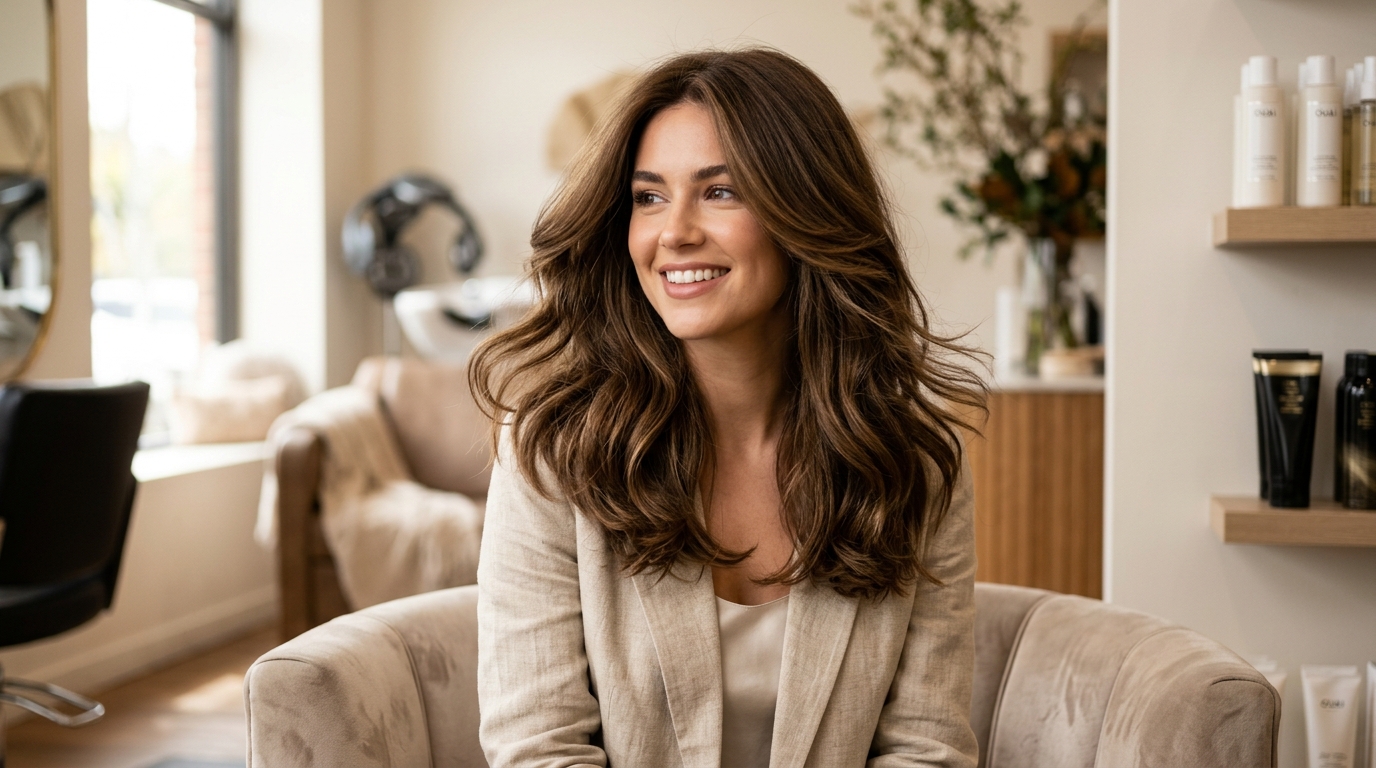
The Best Haircuts for Thick Hair to Reduce Bulk and Add Movement
Having a thick mane is often touted as the ultimate genetic jackpot. People spend fortunes on volumizing shampoos, hair growth serums, and extensions just to get a fraction of the density you wake up with every day. But let’s be completely honest for a second: thick hair can also be an absolute workout. Between the endless blow-drying sessions that leave your arms aching, the graveyard of snapped hair ties, and that dreaded "triangle head" shape that happens when your hair dries naturally, managing heavy tresses is no walk in the park.
If you have ever felt like your hair is wearing you instead of the other way around, you are not alone. The secret to falling in love with your thick hair again doesn’t lie in flat irons or chemical relaxers; it lies in the hands of a skilled stylist armed with the right haircut. In 2026, hair trends are leaving behind the stiff, blunt cuts of the past and embracing airy, lived-in motion. Let’s dive into the absolute best haircuts designed to shed the weight, eliminate the bulk, and give your gorgeous thick hair the swing and bounce it deserves.
—
The Blessing and Curse of Thick Hair
It is a classic love-hate relationship. On one hand, you have incredible natural volume, your braids look like intricate ropes, and you never have to worry about your scalp peeking through your part. On the other hand, thick hair behaves like a heavy wool blanket. It traps heat around your neck, takes hours to air-dry, and can look incredibly flat at the roots because the sheer weight of the length pulls everything down.
When thick hair lacks shape, it tends to expand horizontally rather than cascading vertically. This leads to the infamous "mushroom effect." The goal of a great haircut for thick hair isn't to make your hair look thin—it’s to carve out weight strategically so that your hair has room to breathe, move, and frame your face beautifully.
—
Why Traditional Cuts Fail Heavy Tresses
If you have ever walked out of a salon looking like a walking pyramid, you have experienced the failure of a traditional blunt cut. When thick hair is cut straight across with no internal shaping, the ends stack on top of each other. This creates a massive wall of density at the bottom while leaving the crown flat and lifeless.
Furthermore, simply "thinning out" hair with standard thinning shears can sometimes backfire. If a stylist goes too wild with the thinning shears near the roots, those short, cut hairs act like little scaffolding, pushing the longer hair outward and making your head look even wider. To get a cut that actually works, your stylist needs to use advanced sculpting techniques.
—
Key Techniques Stylists Use to De-Bulk
Before we talk about specific styles, it is incredibly helpful to understand the vocabulary of hair sculpting. When you speak your stylist's language, you are much more likely to get the exact results you want.
Internal Layering vs. Surface Thinning
Internal layering is the holy grail for thick hair. Instead of cutting visible layers on the very top of your head, your stylist lifts sections of hair and cuts shorter, supportive layers underneath. This creates "pockets" of space inside the haircut. The top layers drape smoothly over these pockets, resulting in a sleeker silhouette without any choppy lines. Surface thinning, on the other hand, only addresses the tips and can often lead to a frizzy texture if done incorrectly.
Slide Cutting and Point Cutting
Slide cutting involves holding the shears slightly open and sliding them down the hair shaft toward the ends. This carves out weight seamlessly, creating soft, tapered tips rather than blunt blocks of hair. Point cutting is done by positioning the scissors vertically and snipping into the ends. This breaks up the solid line of the hair, allowing the ends to nestle into each other instead of stacking up.
The Role of Texturizing Shears
Texturizing shears are not the enemy, but they must be used with precision. In 2026, modern stylists prefer using slide cutting with straight shears over aggressive texturizing shears. However, when used sparingly on the mid-lengths to ends, texturizing shears can soften heavy bulk and introduce beautiful, touchable texture. Just ensure your stylist avoids using them too close to your scalp, which can cause frizz and unwanted cowlicks.
—
The Best Short Haircuts for Thick Hair
Many people with thick hair avoid short cuts because they fear their hair will puff up like a dandelion. But with the right structure, short hair can be incredibly liberating, chic, and surprisingly low-maintenance.
The Pixie Cut with Undercut
If you want to completely revolutionize your morning routine, a pixie cut with a hidden undercut is your golden ticket. By shaving or closely clipping the hair at the nape of your neck and around the sides, you eliminate about 40% of your hair's overall bulk.
The remaining hair on top is left longer and heavily textured. This creates a gorgeous, edgy silhouette that looks effortless. It’s a style that practically styles itself with a dab of pomade or styling wax, and it keeps you incredibly cool during the warm summer months.
The Textured Choppy Bob
A classic, blunt Parisian bob can easily turn into a helmet if you have thick hair. The solution? The textured choppy bob. By incorporating sliced, piecey ends and subtle internal layers, this cut hugs the jawline beautifully without expanding outward.
Ask your stylist for a "shattered" baseline, which means the bottom edge of your bob is uneven and soft rather than a harsh, straight line. It gives off a lived-in, rock-and-roll vibe that looks amazing worn messy, wavy, or sleek.
—
Medium-Length Masterpieces
Medium-length hair—sitting anywhere from the collarbone to just below the shoulders—is the sweet spot for many. It is long enough to throw into a quick ponytail but short enough to wash and style without dedicating half your day to it.
The Modern Shag
The shag has firmly cemented its status as a timeless classic, and it is practically custom-made for thick-haired beauties. Built on a foundation of heavy, short layers around the crown and face, the shag naturally removes massive amounts of weight from the sides and back.
The beauty of the modern shag is its versatility. It celebrates your hair's natural texture, whether you have straight, wavy, or curly hair. Because the layers are so piecey, your hair will have incredible vertical movement, bouncing with every step you take.
The Lob with Invisible Layers
If the shaggy, retro look isn't quite your aesthetic, the long bob (or "lob") is a sophisticated alternative. To keep a lob from looking too heavy around your shoulders, your stylist can use the "invisible layering" technique.
These are ultra-fine, seamless layers cut into the interior of the hair. They are completely invisible to the naked eye but work behind the scenes to reduce weight, prevent the ends from flipping out, and allow your lob to swing freely.
Why the Lob Works for Thick Wave Patterns
If your thick hair has a natural wave, a lob is incredibly flattering. The weight of a medium length helps pull the waves down slightly so they don't get too puffy, while the internal layers give those waves room to spiral and coil without clumping together into one giant wave.
—
Long and Flowing: Keeping the Length, Losing the Weight
If you love your long, mermaid-like hair and refuse to part with your length, you don't have to! You just need a haircut that removes the dragging weight so your hair feels light and airy.
Long Layers with Face-Framing Curvature
When long, thick hair has no layers, it looks heavy, flat at the roots, and can actually pull down your facial features. Adding long, cascading layers starting around the collarbone is the perfect antidote.
To elevate this look, incorporate face-framing layers that curve gently around your cheekbones and jawline. This breaks up the solid curtain of hair around your face, draws attention to your best features, and gives your hair that classic, luxurious Hollywood bounce when blowout styled.
The V-Cut or U-Cut Silhouette
When your hair is cut straight across the back, it creates a heavy block of weight right at your lower back or hips. A V-cut or U-cut silhouette solves this problem beautifully.
By tapering the hair so that it is shorter on the sides and comes to a soft "V" or rounded "U" shape in the center back, you eliminate the heavy "corners" of your hair. This dramatically reduces the weight of your hair, makes it much easier to brush, and creates a gorgeous, cascading waterfall effect.
—
Bangs and Fringes for Thick Hair
Think you can't wear bangs because your hair is too thick? Think again! Bangs can actually be a clever way to redirect some of your hair's density away from the main length.
Wispy Curtain Bangs
Curtain bangs are the ultimate gateway to fringe. Because they are swept to the sides, they don't require the commitment of a full forehead-covering fringe. For thick hair, curtain bangs should be textured at the tips so they blend seamlessly into your face-framing layers. They add instant style to a simple ponytail and help soften your overall look.
Bottleneck Bangs
Bottleneck bangs are a massive hit because they are incredibly flattering and low-maintenance. Narrow at the top (near your parting), they curve out around the eyes and get longer at the cheekbones—resembling the neck of a Coca-Cola bottle.
This style works wonderfully for thick hair because it takes a small, manageable section of hair from the front and uses it to frame the face, leaving the rest of your hair feeling lighter and more balanced.
—
Styling Tips to Keep the Bulk Away at Home
Getting the perfect haircut is 80% of the battle, but how you style your hair at home completes the look. Here are some quick, game-changing tips to keep your thick hair looking sleek, airy, and full of life:
- Prep with a Lightweight Defrizzer: Thick hair tends to hold onto moisture and frizz up. Use a lightweight, water-based leave-in conditioner or defrizzing serum. Avoid heavy, buttery creams that will weigh your roots down.
- Master the Rough Dry: Do not try to style your hair with a round brush when it is soaking wet. You will exhaust your arms! Instead, rough-dry your hair with your hair dryer pointing downward until it is about 75% dry. Only use your styling brush for the final 25% to smooth and shape.
- Invest in a High-Quality Ionic Hair Dryer: Ionic technology breaks down water molecules faster, cutting your drying time in half and sealing the hair cuticle for a smoother, less bulky finish.
- Use the "Cool Shot" Button: Once you finish styling a section of hair, hit it with the cool shot button on your dryer. This locks the style in place, tames flyaways, and keeps your hair from expanding as soon as you step outside.
- Embrace Lightweight Oils: A drop of jojoba or argan oil rubbed between your palms and smoothed over your ends will add incredible shine and keep your layers looking defined rather than fluffy.
—
Conclusion
Thick hair is an absolute gift, but it requires a strategic approach to truly shine. By moving away from blunt, heavy cuts and embracing internal layers, slide cutting, and textured silhouettes, you can transform your heavy mane into a lightweight, bouncy masterpiece. Whether you decide to go bold with a textured pixie undercut, keep it classic with a modern shag, or rock long, cascading U-cut layers, the right haircut will make you feel like a weight has literally been lifted off your shoulders.
Talk to your stylist, bring in your favorite inspiration photos, and get ready to fall head over heels in love with your thick hair all over again!
—
Frequently Asked Questions (FAQs)
1. How often should I get my thick hair cut to prevent it from getting too bulky?
To maintain the shape and keep the weight down, it is best to get a trim and de-bulking session every 6 to 8 weeks for shorter styles, and every 10 to 12 weeks for longer lengths.
2. Will thinning my hair make it frizzy?
It can if it is done incorrectly. If a stylist uses thinning shears too close to the scalp or uses them on curly hair, it can create short, frizzy halo hairs. Always ask for internal layering or slide cutting with straight shears for a smoother, frizz-free finish.
3. Can I have a blunt bob if my hair is very thick?
Yes, but it requires internal texturizing. Your stylist can cut a blunt line on the outside while carving out weight from the under-layers so the bob hangs flat and sleek rather than flaring out into a triangle.
4. What is the best brush for styling thick hair?
A high-quality paddle brush with a mix of nylon and boar bristles is fantastic for detangling and smoothing thick hair. For blowouts, a large ceramic round brush will help you get maximum tension and smoothness.
5. Does cutting thick hair short make it puffier?
Not if the cut is structured correctly. If you cut thick hair short without adding layers or an undercut, it will likely puff out. However, techniques like textured ends, internal layers, and undercuts ensure short hair lays flat and moves beautifully.
Post Comment